

Do you know what’s no longer a luxury in 2025? Short answer: it’s a website.
Nowadays, professional and well-designed websites are necessary for service-based businesses like plumbing. For plumbers, a well-crafted online presence can be the difference between getting the next job or losing it to a competitor. Whether you’re a one-person operation or part of a larger team, a website can significantly impact your ability to attract and retain customers.
In this blog post, we’ll explore why having a well-designed plumbing website is crucial, how to structure your website for maximum impact, and how to leverage it to get more customers, streamline your business processes, and ultimately increase your revenue.
Let’s dive into the details and explore the power of a website for your plumbing business.
Why Your Plumbing Business Needs a Website
Establishing Credibility and Trust
One of the first things customers do when they need a plumber is search online. In fact, 97% of people learn about local businesses online before making a purchase decision. If you don’t have a website, you could be missing out on a huge portion of your potential customer base.
Your website acts as a digital storefront, providing an online space for people to learn about your services, read reviews, and get a sense of your credibility. The design, content, and overall user experience of your site speak volumes about your professionalism and expertise.
A well-organized, easy-to-navigate site that highlights your qualifications, experience, and services can establish trust from the very first visit. On the other hand, a poorly designed or outdated website can make visitors question whether you’re the right choice for their plumbing needs.
Expanding Your Reach
A physical presence may limit the number of people you can reach, but with a website, your plumbing business is open 24/7 and visible to anyone in your service area. By optimizing your website for search engines, you ensure that potential customers in your locality can easily find you.
A website also allows you to expand beyond your local community. If you ever wish to extend your services to neighboring towns or cities, your website is the perfect platform to introduce new service areas, thus broadening your market reach.
How Do I Get More Customers for My Plumbing Business?
Attracting Customers through SEO (Search Engine Optimization)
SEO is optimizing your website to rank higher on search engines like Google. The higher you rank, the more likely potential customers will find you when searching for plumbing services. Optimizing for local SEO is especially critical for plumbing businesses because your target audience is often looking for a nearby plumber.
Here are a few SEO tips to get more customers:
- Optimize Your Google My Business Listing: This is one of the most important steps. Claiming and optimizing your Google My Business profile allows you to appear in local searches and Google Maps, making it easier for customers to find you.
- Use Local Keywords: Include keywords like “plumber in Ontario” or “emergency plumbing services in London, Ontario” to attract customers in your area.
- Create Location-Specific Pages: If your plumbing business serves multiple locations, consider creating individual pages for each area with content tailored to the community’s needs.
- Customer Reviews and Testimonials: Positive reviews can boost your SEO rankings and influence customers’ decisions.
Paid Ads and Google Local Services
While SEO is an essential long-term strategy for growing your plumbing business online, paid ads can provide a much faster route to attracting customers. Google Ads, in particular, is a highly effective tool for businesses looking to drive immediate traffic to their websites. With Google Ads, you can bid on specific keywords related to plumbing services in your area.
This means that when someone types in search terms like “plumber near me” or “emergency plumbing services,” your ad can appear at the top of the search results. Since these searchers are likely already looking for plumbing services, this type of paid traffic can generate high-quality leads.
The beauty of Google Ads is its targeting capabilities. You can narrow your focus not only by keywords but also by geographic location, ensuring that your ads are only shown to people in the areas you serve. For example, if your plumbing business is located in London, Ontario, you can set your ads to only appear to users in and around that area, ensuring that your advertising budget is spent efficiently.
A specific type of paid advertising that works exceptionally well for local service businesses like plumbing is Google Local Services Ads (LSA). These ads appear above traditional search results and display key details about your plumbing business, such as your service area, phone number, ratings, and a “Google Guarantee” badge, which signals to users that Google has verified your business. Local Service Ads are highly visible and can help your plumbing business stand out in a crowded marketplace.
The key benefit of Local Services Ads is that you only pay for leads, not clicks. This means you’re only charged when someone contacts your business directly through the ad, which can be highly cost-effective. Furthermore, being featured at the top of the search results can significantly increase your visibility, making it easier for potential customers to find and contact you when they need plumbing services.
Social Media Integration
Social media integration on your plumbing website can help bridge the gap between your business and your audience, enabling customers to engage with your brand on platforms they already use, such as Facebook, Instagram, and Twitter.
Integrating social media links into your website makes it easier for visitors to follow your business, share your content, and interact with you. Including social media icons on your website (typically in the header or footer) allows visitors to quickly access your social media pages without leaving your site. This provides an opportunity to maintain ongoing communication with your audience and stay top of mind when plumbing issues arise.
A well-managed social media presence can also help humanize your brand. Customers are more likely to trust a plumbing business that they feel they know on a personal level. By posting regularly on your social media platforms, you can showcase behind-the-scenes content, highlight customer testimonials, and share tips for maintaining plumbing systems. This not only adds value to your followers’ lives but also builds your reputation as an expert in the industry.
Added to that, social media allows you to showcase your work visually. Plumbing jobs, especially those involving repairs or installations, can often have a significant “before and after” transformation. Posting these types of images or videos on your social media accounts not only provides visual proof of your skills but also serves as a marketing tool that encourages people to hire your services.
Beyond organic posts, paid ads on social media platforms such as Facebook and Instagram can also drive targeted traffic to your plumbing business. These platforms allow you to define your target audience based on factors like location, age, interests, and behaviors, ensuring that your ads are seen by the people most likely to need plumbing services. Paid social media ads can be particularly effective when promoting special offers or limited-time discounts.
TLDR: Integrating social media into your plumbing website helps connect with customers, allowing them to engage with your brand on platforms they use. Adding social media icons to your site encourages interaction, while a strong social media presence builds trust, showcases expertise, and humanizes your business. Visual content like “before and after” photos and targeted paid ads further boost engagement and attract potential customers.
Content Marketing and Blogging
Content marketing, particularly blogging, is one of the most effective ways to attract organic traffic to your plumbing website. Unlike paid ads that require ongoing investment, blogging allows you to create valuable content that remains accessible to users long after it’s been published. By providing helpful, informative content, you can establish yourself as an authority in the plumbing industry while also improving your website’s SEO performance.
Regularly publishing blog posts on your website can increase your chances of appearing in search engine results for a variety of plumbing-related topics. When people search for answers to common plumbing questions, your blog could be the one that pops up, driving organic traffic to your site.
Here are some blog post ideas that could help attract potential customers to your plumbing website:
- “How to Prevent Common Plumbing Problems in Your Home”
- “Signs You Need to Call a Plumber Immediately”
- “How to Save Water and Reduce Your Plumbing Bill”
This content not only helps with SEO but also provides value to your customers, making them more likely to trust you when they need your services.
Customer Referral Programs
The good old word-of-mouth marketing is a powerful tool in the plumbing industry. Encourage your existing customers to refer friends and family by offering incentives. On your website, make it easy for customers to sign up for a referral program and track their rewards.
Key Elements of a Plumbing Website That Drives Business
Now that we’ve discussed how to attract more customers, let’s take a closer look at the key elements of a plumbing website that can help convert those visitors into paying customers.
User-Friendly Design (A must!)
This is a must! Your website’s design should focus on ease of use. If visitors can’t find what they’re looking for within seconds, they’ll leave your site and go to a competitor. Here are some design best practices:
- Simple Navigation: Ensure your menu is clear and easy to navigate, with categories like Services, About Us, Contact, and Testimonials.
- Fast Load Time: A slow website can frustrate users and hurt your SEO rankings. Optimize images, reduce file sizes, and choose a reliable hosting provider to ensure your site loads quickly.
- Clear Calls to Action (CTA): Use CTAs like “Request a Quote” or “Call Now” to encourage visitors to take action. Make sure your phone number is clickable on mobile devices for easy calling.
Responsive Design
With more people using smartphones and tablets to search for services, your website must be responsive, which adapts to any device screen size. A responsive website ensures your plumbing business looks great and functions properly on mobile devices, which is critical for customer engagement.
Detailed Service Pages
Each of your plumbing services should have its own page on your website, with a detailed explanation of what the service entails, pricing information (if applicable), and the benefits to customers. For example, if you offer water heater installation, describe the process, the types of water heaters you install, and the benefits of choosing your company.
Booking Functionality
A great way to make your plumbing business more convenient for customers is by offering online booking. Customers are more likely to schedule a service if they can book it directly from your website, especially if it’s late at night or during off-hours. An easy-to-use online scheduling system can help streamline your operations and reduce the number of phone calls you have to make.
Customer Testimonials and Reviews
Customer reviews are a powerful form of social proof. Display positive testimonials prominently on your website to show potential customers that others trust your services. Encourage happy clients to leave reviews on platforms like Google, Yelp, and Facebook, and showcase these reviews on your site to increase credibility.
Trust Badges and Certifications
Including trust signals on your site, like licensing, insurance, and certifications, assures visitors that they’re dealing with a legitimate and reliable business. These badges help build confidence in your services and demonstrate that you follow industry standards.
How Many Plumbing Companies Are There in London, Ontario?
London, Ontario, is home to numerous plumbing businesses. Based on a search on Canpages, there are approximately 150-200 plumbing companies in the area, ranging from small, independent contractors to larger, well-established businesses.
This level of competition makes it essential for plumbing businesses to differentiate themselves, especially online. A professional website highlighting your unique selling points and customer testimonials can help you stand out.
What Knowledge Do You Need for Plumbing?
Running a successful plumbing business requires both technical expertise and business knowledge. As a plumber, you need to understand plumbing systems, tools, regulations, and safety protocols. However, as a business owner, you also need knowledge in areas like:
- Customer Service: Knowing how to interact with clients, answer their questions, and handle complaints effectively.
- Business Operations: Understanding financial management, marketing, scheduling, and hiring.
- Regulations: Familiarize yourself with local plumbing codes and regulations to ensure your work complies with industry standards.
What Type of Plumbing Makes the Most Money?
The profitability of different types of plumbing services can vary, but generally, commercial plumbing tends to be the most lucrative. Commercial projects often involve larger-scale jobs, such as new construction or large installations, which come with higher fees. Emergency plumbing services, specialized services like gas fitting, and eco-friendly plumbing options can also be highly profitable.
How Many Plumbing Companies Are There in Canada?
Canada, being a large and diverse country, has a vast number of plumbing businesses spread across different provinces. According to IBISWorld, Canada has approximately 14,709 plumbing businesses as of 2024. This includes both individual plumbers and large plumbing companies. The plumbing industry is a key part of Canada’s economy, as plumbing is an essential service needed by both residential and commercial customers.
Ontario has the most plumbers in Canada. This is because it has the largest population and a lot of new homes being built, which means there is a high demand for plumbing services. However, even in smaller towns and rural areas, plumbing businesses remain in high demand for various maintenance, installation, and repair tasks.
Given the number of competitors in Canada’s plumbing industry, it is vital for plumbing businesses to adopt effective strategies to stand out. A well-designed website can act as a key differentiator by offering valuable content, showcasing your services, and making it easier for potential customers to connect with your business.
How Much Does a Plumber Cost in London, Ontario?
The cost of hiring a plumber in London, Ontario, can vary based on the type of service you need, the complexity of the job, and the experience of the plumber. According to PayScale, the average hourly pay for a Plumber is CAD 29.67 in 2025.
However, the rate can change depending on things like their experience and the type of work they do. Some plumbing companies may charge flat fees for specific services, such as drain cleaning or faucet installation, while others may bill based on the amount of time spent on the job.
Additionally, plumbers may charge extra fees for emergency services, after-hours work, or if the job requires specialized tools or materials. It’s always a good idea for customers to get an upfront estimate or request a quote before the work begins.
For plumbing business owners, understanding the costs involved in plumbing services—such as labor, materials, and overhead expenses—helps determine fair pricing strategies while staying competitive.
How Big is the Plumbing Industry in Canada?
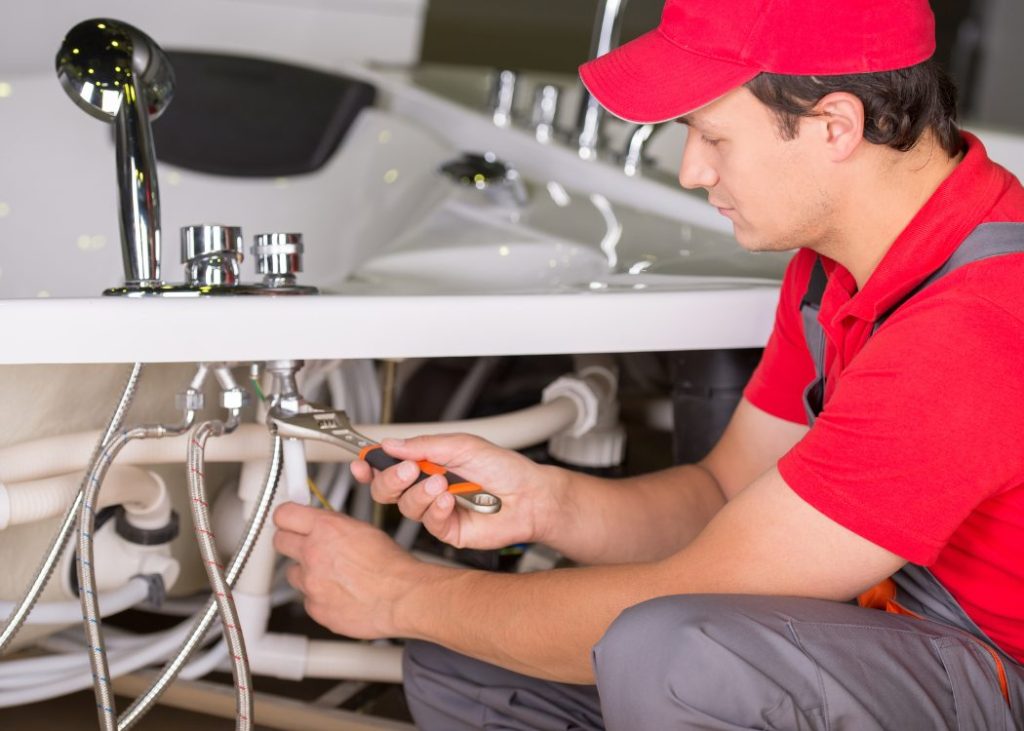
The plumbing industry in Canada is a multi-billion dollar sector, with steady growth over the years. In 2024, the Canadian plumbing industry was valued at approximately $24 billion, driven by residential and commercial construction, renovations, and maintenance. The demand for plumbing services continues to rise due to factors like population growth, urbanization, and an aging infrastructure in many parts of the country.
The growth of the plumbing industry also benefits from increased awareness of the importance of regular plumbing maintenance, energy-efficient plumbing solutions, and advancements in eco-friendly plumbing technologies. This makes it a promising industry for plumbers to operate in, provided they have the right tools, knowledge, and marketing strategies in place.
As a plumbing business owner, staying informed about the latest industry trends and market conditions can help you adapt to changes and identify new opportunities for growth.
Key Features to Include in Your Plumbing Website
Now that we’ve covered some important insights about the plumbing industry, let’s explore the essential features that every plumbing website should have. These features will not only help you attract more customers but also improve user experience and increase conversions.
1. Service Overview and Detailed Descriptions
Your website should clearly outline all the plumbing services you offer. Be specific about the services you provide, whether it’s residential, commercial, or emergency plumbing. For each service, include a detailed description of what’s involved, how long it takes, and any special equipment or techniques you use.
For example:
- Drain Cleaning: “Our professional drain cleaning service uses high-pressure water jets to clear stubborn blockages, ensuring your pipes flow smoothly and preventing costly repairs in the future.”
- Emergency Plumbing: “Available 24/7, our emergency plumbing service provides fast, reliable assistance for leaks, broken pipes, and other urgent plumbing issues.”
These detailed descriptions not only help with SEO but also provide clarity to potential customers, making them more likely to contact you for their plumbing needs.
2. Easy Contact Options
Your website should have multiple ways for potential customers to contact you. Include a contact form for those who prefer writing over calling, and make sure your phone number is prominently displayed at the top of every page. Additionally, adding a live chat feature can improve customer engagement, allowing visitors to get quick answers to their questions without waiting for a callback.
3. Service Area Information
One of the main ways customers find local plumbing businesses is through location-based searches. Make it clear on your website which areas you serve. You can even create a dedicated page for each location to improve local SEO and target specific communities more effectively.
4. Pricing Transparency
While many plumbing businesses shy away from sharing pricing on their websites, offering general pricing information can help potential customers feel more comfortable. You don’t need to provide exact prices for every service, but a ballpark range can help set expectations. For example, “Our typical hourly rate starts at $85, with additional charges for after-hours or emergency services.”
5. Trust Signals and Certifications
As a plumber, it’s essential to display any certifications, licenses, and insurance information on your website. Customers want to know that they are hiring a qualified professional who adheres to industry standards. Include any relevant badges, such as the Master Plumber certification or Licensed and Insured seals, to further instill trust in your services.
6. Blog Section for Educational Content
As mentioned earlier, a blog is a fantastic way to drive organic traffic to your site while providing value to your customers. Regularly posting helpful content, such as plumbing tips, maintenance advice, and industry news, can position you as an expert in your field. Search engines love fresh content, so blogging is a great SEO tactic to boost your site’s visibility.
Final Thoughts: Growing Your Plumbing Business Through Your Website
Remember, your website is a reflection of your business. Make sure it’s as professional, user-friendly, and engaging as the services you provide.
Now, tell us something. Did we convince you to get your own website for plumbers? If we did, why not contact us to chat further?
Not sure if we are the right company for the job? Explore our case studies section to learn more about our web design and development projects.
Happy plumbing!
