

Let’s get real for a second: the real estate market is competitive. Like, elbows-out, sharp-suited, coffee-fueled competitive. And if you’re not leveraging every possible tool to stand out, you’re basically whispering in a room full of people shouting through megaphones.
One of the most powerful megaphones today? Video content. If you think video is just a “nice-to-have” in your marketing toolbox, think again. It’s become a cornerstone of effective real estate SEO and digital marketing. Let’s dig into why.
Don’t know anything about Real Estate SEO and its importance?
Click here: Why is SEO Necessary for Your Real Estate Business?
What is SEO in Video Marketing?
SEO, or Search Engine Optimization, isn’t just about keywords and blog posts. In the context of video marketing, it means optimizing your video content so that search engines can find, understand, and rank it. This includes everything from how you title your videos to the metadata, thumbnails, transcripts, and even how they’re embedded on your website.
Think of it this way: Google owns YouTube. And Google loves itself. So, videos that are optimized properly often get a shiny VIP pass to the front of the search results line—especially for local searches like “homes for sale in [your city].”
Why Video Marketing is a Game-Changer in Real Estate SEO
Here’s a fact: listings with videos get 403% more inquiries than those without. That’s not a typo. Four-hundred and three percent!
Why? Because video does what static images and text can’t—it shows, tells, and connects on an emotional level.
Human Connection
Buying a home is one of the most emotional purchases people make.
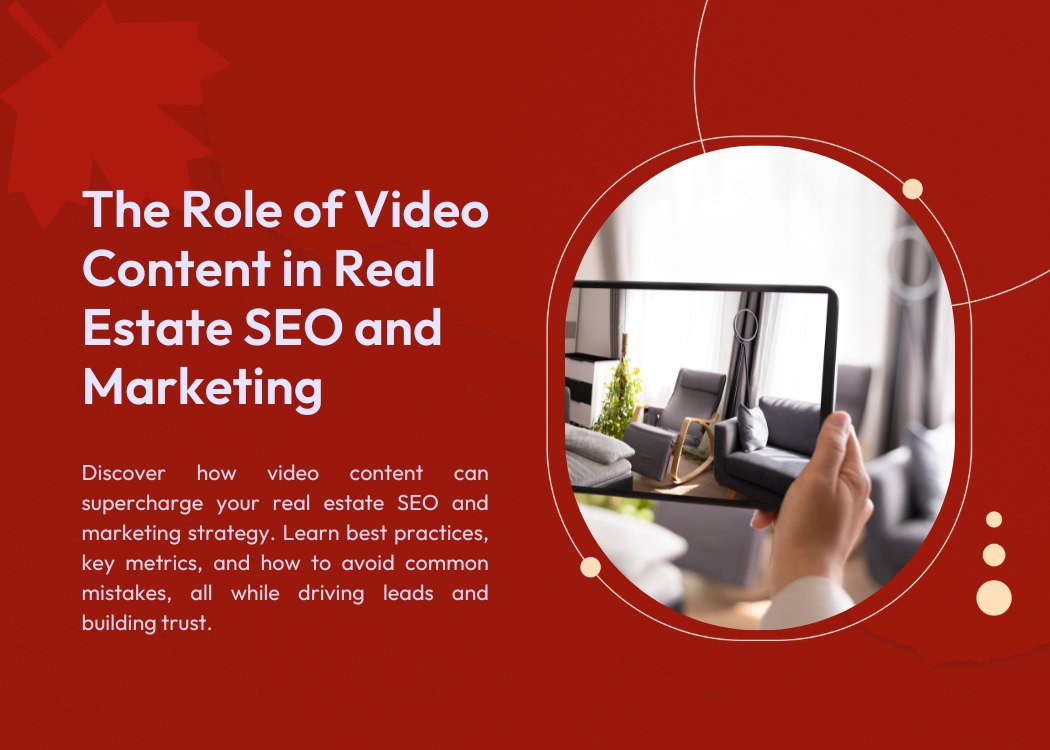
A well-produced video tour can convey the light in a kitchen, the coziness of a living room, or the vibe of a neighborhood far better than a photo gallery ever could.
Time on Page
Videos increase the time people spend on your site.
More time = better engagement = a pat on the back from Google.
That means higher rankings, more traffic, and, ultimately, more qualified leads.
Shareability
People love sharing videos. A jaw-dropping drone tour of a luxury property or a funny, personable intro from a realtor can go viral (or at least get passed around like cookies at an open house).
That translates into more backlinks and social signals, both of which are SEO gold.
Types of Video Content That Work Best in Real Estate
Not all videos are created equal. The key is to match content type with audience intent. Here are a few heavy hitters:
Property Tours
These are your showcase reels, your Oscar-worthy productions. A good property tour walks potential buyers through a home as if they were right there, coffee in hand.
Use smooth transitions, natural lighting, and a friendly voiceover that highlights key features—not just square footage. Personal touches like describing what it feels like to watch sunsets from the patio or host dinner in the dining room help the viewer emotionally invest.
Add drone footage for dramatic flair, especially to spotlight larger estates or great landscaping. Think of it as giving your audience the VIP treatment.
Neighborhood Guides
This is where you paint the bigger picture. Buyers aren’t just purchasing a property; they’re investing in a lifestyle.
Use your video to introduce local coffee shops, walking trails, boutique stores, school zones, and community events. Interview local business owners or residents for authentic testimonials.
B-roll of bustling farmers’ markets, kids playing in parks, or people dining al fresco builds a sense of place and belonging that static listings just can’t offer.
Agent Introductions
You’re not just selling homes—you’re selling trust. A warm, professional agent intro video is your chance to shake hands with your audience virtually.
Talk about your background, your passion for real estate, and why you love helping people find their dream homes.
Show snippets of you in action, such as attending open houses, talking with clients, or laughing with your team. Let your personality shine through; people want to know there’s a human behind the brand.
Testimonial Videos
Let your happy clients do the talking. These videos are social proof on steroids.
Capture real stories about how you helped buyers find their forever home or guided sellers through a smooth sale.
Keep it authentic—no scripts, just honest reactions. Bonus points if you record in the home they bought; it adds emotional resonance and credibility.
Prospective clients will see people just like them who trusted you and had a great experience.
Educational Content
This is your stage to shine as the go-to expert. Break down complex processes like home financing, inspections, or closing procedures in simple, digestible terms. Use visual aids or on-screen graphics to reinforce key points.
Tips on staging, market trends, or how to boost curb appeal are gold for SEO and value-driven content. Consistent educational videos position you as a trusted authority, making it more likely that viewers will reach out when they’re ready to act.
How to Optimize Video Content for SEO
Alright, so you’ve got your killer videos. Now what? Optimization is what separates the YouTube superstars from the “I spent 10 hours editing this and no one’s watching” crowd.
1. Choose the Right Keywords
Just like blog SEO, it starts with research. Use tools like Google Keyword Planner, Ubersuggest, or TubeBuddy to uncover what your target audience is actively searching.
Focus on long-tail, location-based keywords like “London real estate market update,” “best neighborhoods in Ontario,” or “affordable homes near Toronto.”
Don’t forget to consider voice search-friendly phrasing, as more users are speaking their searches aloud.
2. Title and Description
The title is your first impression, so make it count. Incorporate your primary keyword as close to the beginning as possible, and make it intriguing.
Avoid vague names like “Video001.mov”—no one clicks on mystery files. Your description should expand on what viewers can expect, naturally weaving in secondary keywords and relevant links (like to your website or contact form).
Pro tip: use timestamps if your video covers multiple topics.
3. Tags and Categories
Tags act like breadcrumbs for YouTube’s algorithm.
Use a mix of broad and specific tags: think “real estate,” “home buying tips,” “condos in London,” etc. Also, assign your video to the right category (e.g., “How-to & Style” or “Education”) to give YouTube additional context.
Avoid keyword stuffing; keep it clean and relevant.
4. Custom Thumbnails
A compelling thumbnail can make or break your click-through rate. Design yours with high-contrast colors, readable text (no more than 6 words), and a strong focal point.
Faces work great—especially if they show emotion or reaction. Use consistent branding elements like logo placement or font style to build visual recognition across your channel.
5. Add Captions and Transcripts
Search engines can’t watch your video, but they can read. Uploading accurate captions and full transcripts helps with indexability and boosts SEO.
Bonus: it improves user experience for those who are hard of hearing or watching with the sound off (which is most people scrolling social media).
6. Embed Strategically
Placing videos on your website doesn’t just showcase your expertise—it keeps visitors engaged.
Prioritize embedding on your homepage, property listing pages, blog posts, and FAQs. Here are some frequently asked questions (FAQs) to consider embedding video answers for:
What is the home-buying process like?
How do I know what neighborhood is right for me?
What should I look for during a home tour?
How do I sell my house fast?
Adding short, targeted video responses to FAQs not only boosts SEO but also makes your site more engaging and user-friendly. Use schema markup to help Google better understand and feature your video content in search results.
7. Encourage Engagement
Engagement metrics like likes, comments, and shares are catnip to algorithms.
At the end of each video, prompt viewers with a specific CTA: “Comment below if you’d live in this neighborhood,” or “Like this video if home tours help you in your search.”
Also, remind them to subscribe and turn on notifications. YouTube sees every interaction as a signal that your content is worth spreading.
Measuring the Impact: Video SEO Metrics That Matter

If you’re not measuring, you’re guessing. And let’s face it, guessing is not a strategy.
Views and Watch Time
This is the cornerstone of your video’s performance. Search engines and video platforms like YouTube prioritize content that keeps people watching.
- Higher Watch Time: Signals that your content is engaging and relevant.
- Retention Rates: Pay attention to where viewers drop off to improve future videos.
- Tips to Improve: Use storytelling, open with a hook, and avoid dragging intros.
Click-Through Rate (CTR)
CTR reveals how effective your thumbnail and title are at getting people to click.
- Low CTR: Often a sign that your title isn’t clear or your thumbnail lacks visual impact.
- Optimize: A/B test different thumbnails and title formats. Use curiosity or value-driven headlines.
Engagement Metrics
These are social signals that tell platforms your video is worth promoting.
- Comments: Encourage viewers to share thoughts or questions.
- Shares: Add sharing prompts in your video and description.
- Likes/Dislikes: Engagement—even negative—can boost visibility.
Conversion Rate
This tells you how effective your video is at driving business.
- Trackable Actions: Use UTM links and analytics tools to see what viewers do next.
- Lead Magnets: Offer something valuable in exchange for viewer info (e.g., free home valuation, market report).
- Video Placement: Embed conversion-focused videos near forms or contact buttons.
Bounce Rate and Time on Page
Keeping users engaged on your site is a major win for SEO.
- Lower Bounce Rate: Suggests that visitors are finding your content valuable.
- Longer Time on Page: Indicates that video is encouraging exploration.
- Best Practice: Place video high on the page, pair with written content or FAQs, and autoplay with sound off (with user consent) to catch attention.
Common Mistakes to Avoid
Even seasoned marketers trip up here. Avoid these pitfalls:
- Low-Quality Production: Shaky iPhone footage and poor lighting won’t cut it. Invest in quality, even if it’s just good editing.
- Too Salesy: Focus on providing value, not hard selling. Nobody wants to feel like they’re watching a timeshare pitch.
- Ignoring Mobile Users: Most video views come from mobile. Make sure your content is mobile-optimized.
- Skipping CTAs: Always include a call to action. Tell viewers what to do next—watch another video, contact you, visit your website.
- Not Promoting: Don’t just upload and pray. Share it across social platforms, in email campaigns, and on your site.
Conclusion
When done right, real estate video marketing not only boosts your SEO but builds your brand and fills your pipeline with quality leads.
And here’s the kicker: you don’t have to do it alone.
At Freelancers HUB, we specialize in helping real estate professionals like you harness the full potential of video marketing. From strategy and scripting to production and SEO optimization, we’ve got your back.
Ready to make video your secret weapon?Schedule a free consultation with Freelancers HUB today. Let’s turn views into value, clicks into clients, and listings into sold signs.
