

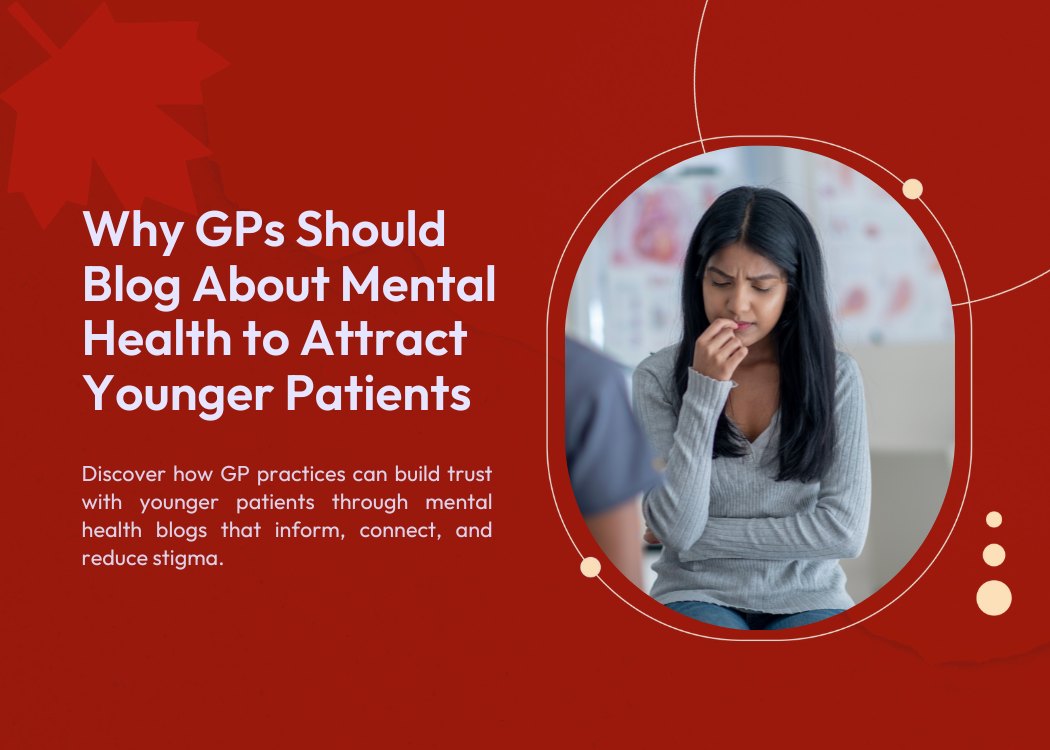
General practices are changing fast. Younger patients, especially those under 30, want more than just medical appointments. They want information they can trust, answers they can find easily, and reassurance that their voices will be heard.
When it comes to mental health, many in this group hesitate to turn to their GP first. That hesitation isn’t because they don’t care about their health; it’s because trust hasn’t been built yet.
A well-written, consistent blog can close that gap. By addressing mental health openly and compassionately, GPs can position themselves as allies for younger patients and strengthen relationships that extend far beyond one appointment.
Why Younger Patients Struggle to Trust GPs with Mental Health
Before exploring how blogging helps, it’s important to understand why younger patients often keep their mental health concerns away from GP clinics.
1. Communication Gaps and Misunderstanding
Many young patients feel dismissed or misunderstood during appointments. They may come away thinking their GP doesn’t take their concerns seriously or that mental health isn’t really part of the doctor’s role.
2. Confidentiality Concerns
Teenagers and young adults often worry that sensitive information will reach parents, teachers, or employers. That fear stops them from opening up fully, even when they need help.
3. Stigma Still Exists
Mental health stigma hasn’t gone away. According to research, young people may fear being judged as weak, “dramatic,” or unstable if they admit they’re struggling, even to a professional.
4. Negative Past Experiences
A rushed appointment, a prescription handed out without explanation, or simply not being listened to can leave lasting impressions. Once burned, many are reluctant to try again.
5. A Strong Desire for Independence
Young adults value self-reliance. Asking for help, especially with mental health, can feel like failure. This makes them less likely to consider GPs as their first point of contact.
6. Barriers to Access
Limited availability of mental health services, long waits, and complicated referral systems all reinforce the perception that GPs aren’t the right doorway for support.
7. Fear of Consequences
Some worry about causing stress to their family, being labelled, or worsening their situation by speaking up. Silence feels safer than taking a perceived risk.
8. Difficulty Putting Feelings into Words
Mental health symptoms are often hard to explain. Frustration in not being able to describe what’s happening can discourage younger patients from even booking an appointment.
How Blogging Bridges the Gap Between GPs and Young Patients
A GP’s blog is more than a marketing tool. It’s a communication bridge. It answers questions before they’re asked, reassures patients where they feel most uncertain, and shows that the practice understands their world.
Clear, Accessible Information
A blog can explain what GPs actually do in mental health care, from listening to symptoms, offering guidance, making referrals, or providing ongoing support. This clarity reduces confusion and sets realistic expectations.
Creating a Safe Space for Dialogue
When a GP practice regularly posts about mental health, it signals to young patients that the topic is not off-limits. It shows empathy, reduces stigma, and encourages them to open up.
Building Trust Before the First Appointment
By engaging with content online, patients begin to see their GP as approachable and knowledgeable. Trust begins forming before they ever walk through the door.
Humanising the Practice
Blogs with relatable language, stories, or Q&A formats help remove the “clinical wall.” Younger readers want to feel they’re interacting with real people who care, not faceless institutions.
Improving Local Visibility
With SEO-focused blog posts on mental health and related concerns, GP practices are more likely to appear in local searches. Younger patients searching online for answers are directed toward the clinic’s website instead of general forums or unreliable sources.
Mental Health Blog Topics That Resonate with Under-30s
The most effective blogs are not abstract lectures but relatable, actionable pieces of content. These themes work especially well with younger readers:
Everyday Stress and Coping Skills
Guides on managing stress from work, school, or social pressures that covers mindfulness, journaling, or exercise, offer practical tools they can apply right away.
Social Media and Mental Health
Exploring the impact of constant connectivity, comparison culture, and digital detox strategies makes your practice part of their everyday reality.
Recognising Anxiety and Depression
Plain-language guides on what symptoms look like, when to worry, and how to start a conversation help normalize experiences and prompt early intervention.
Emotional Resilience
Content on bouncing back from setbacks, navigating uncertainty, or handling rejection connects with the transitional stage of young adulthood.
Breaking Down Stigma
Open discussions about myths surrounding therapy, medication, or simply “not being okay” create a supportive, judgment-free space.
Identity and Self-Discovery
Blogs that touch on self-doubt, identity struggles, and the emotional ups and downs of early adulthood resonate deeply with patients navigating life changes.
Early Warning Signs and When to Seek Help
Young people often wait until crisis hits before seeking care. Posts that educate about subtle warning signs and practical steps toward getting help encourage earlier engagement.
Exploring Therapy Options
Many don’t know the difference between talking therapies, online platforms, or when medication might be helpful. Explaining choices empowers them to take control.
Making Blog Content Engaging and Accessible

The way a blog is written matters as much as the topic itself. Younger audiences expect clarity, creativity, and ease of use.
- Use relatable formats: listicles, FAQs, or “myth vs fact” posts are digestible and shareable.
- Add visuals: images, infographics, and short videos help explain complex topics.
- Keep language simple: no heavy medical jargon; focus on everyday terms.
- Stay consistent: posting once or twice a month builds familiarity.
- Encourage interaction: end with reflective questions or suggestions that invite readers to share or think about their own experiences.
Why Blogging Pays Off for GP Practices
At first glance, blogging might feel like extra work, but the returns are real and measurable.
- Boosts patient trust: patients feel understood before they even book an appointment.
- Improves SEO visibility: ranking higher in search engines brings in younger patients searching for answers.
- Positions the practice as an authority: reliable blogs showcase expertise and empathy.
- Connects beyond the clinic: social media sharing expands reach and reputation.
- Attracts the right patients: mental health-focused content draws those who value supportive, holistic care.
Final Thoughts
Younger patients want to feel safe, understood, and respected when it comes to their mental health. GPs who blog consistently about these issues are not only improving their practice’s online presence but also opening doors to conversations that might never have happened otherwise. By building trust online, they make it more likely that young patients will reach out for help in real life.
Ready to Build a Website That Connects?
If you’re running a GP practice or any small business, your website is often the first impression. A well-structured site with an active blog can turn visitors into loyal patients or clients. At Freelancers Hub, we help practices with our stellar content marketing expertise. Book a free consultation today to discuss how our content marketing strategies can help your website build trust, attract young patients, and support your growth.
